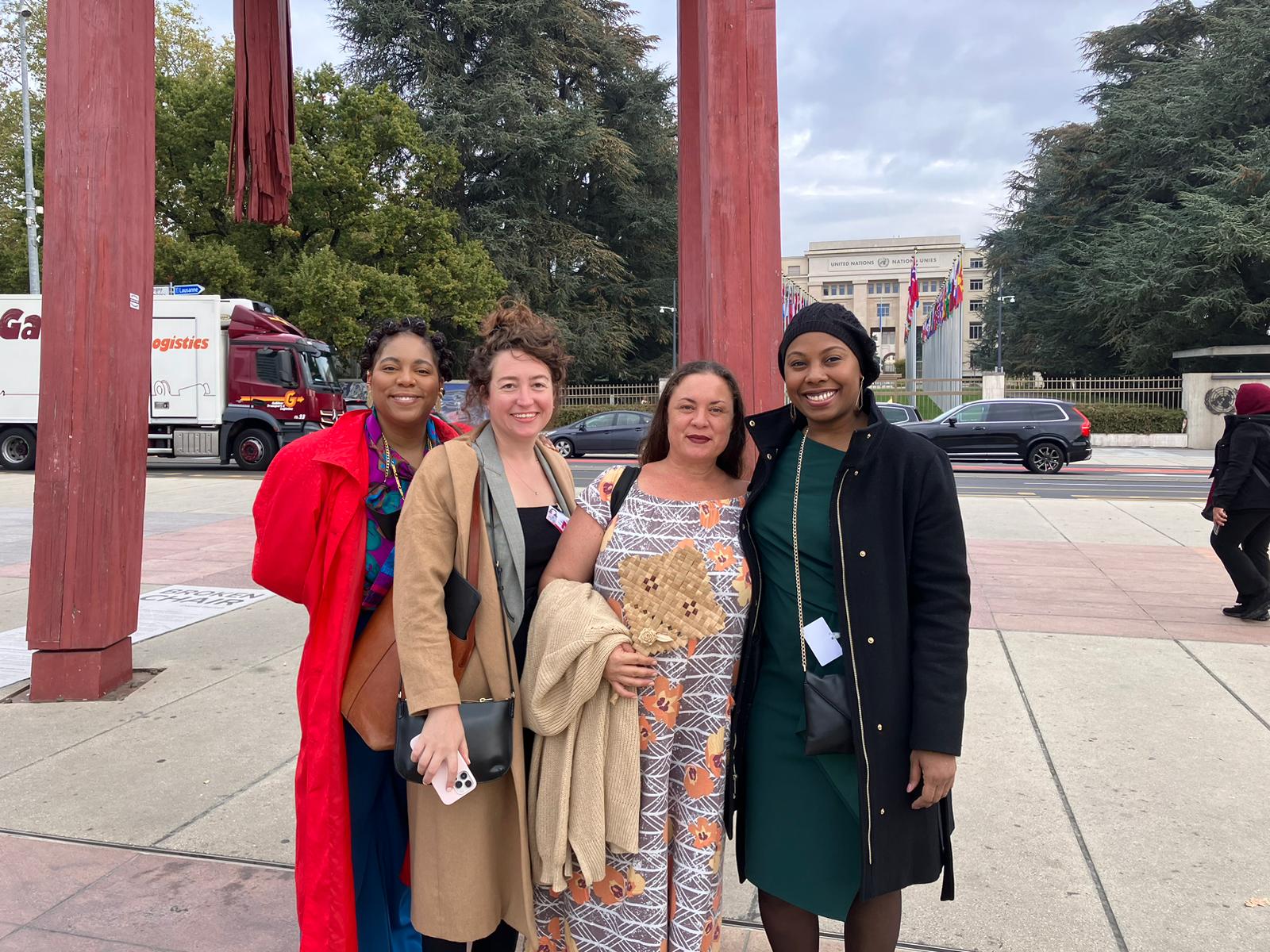
Seven fights, one campaign. All tested against one standard: does it serve the people of Waiehu, Paukūkalo, Wailuku, Wailuku Heights, Waikapū, and Hyashi Village?

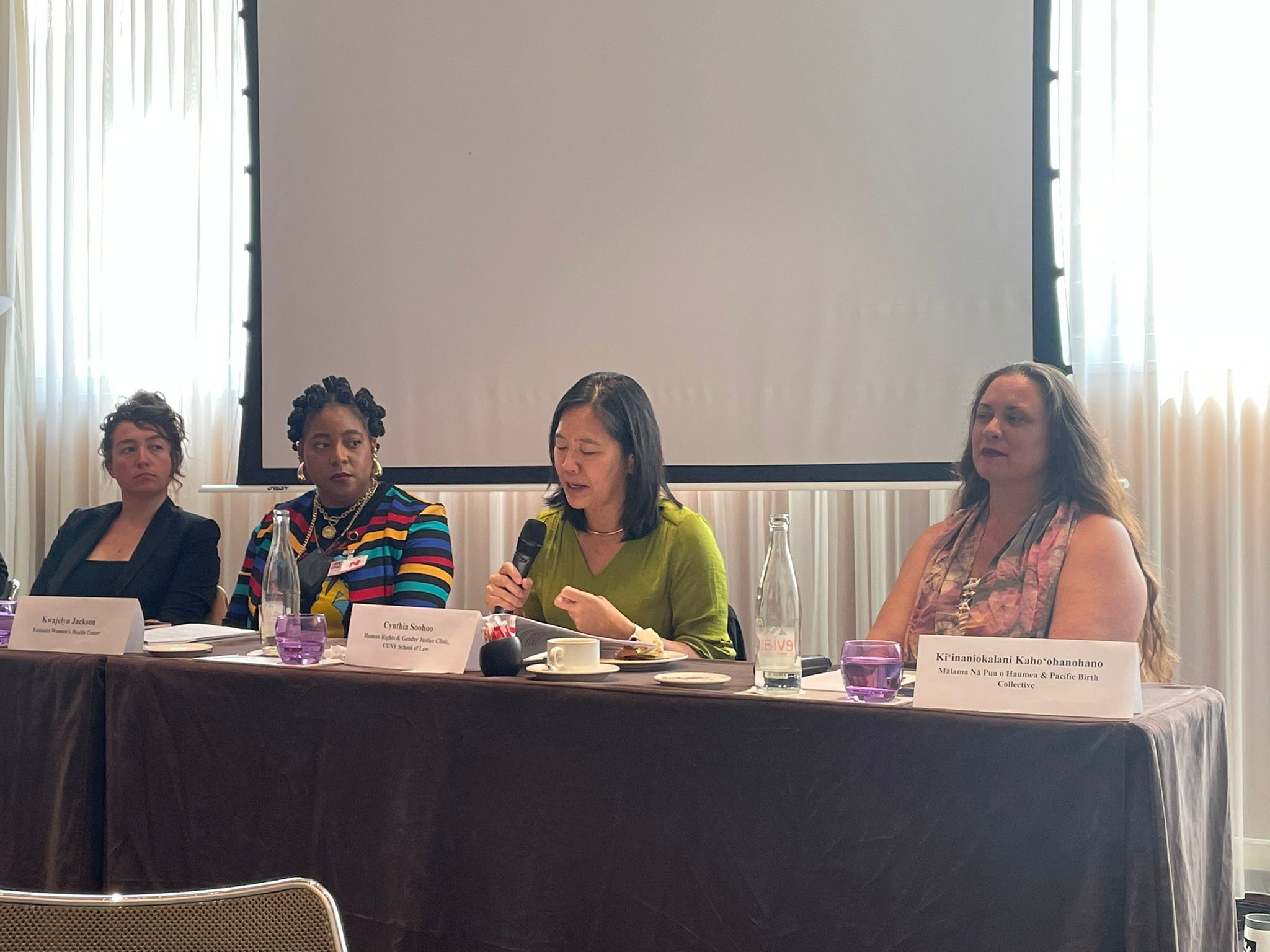
This is the heartbeat of why I am running. I have spent years inside the policy-making process — drafting pono policy, serving on the Women's Coalition, sitting on boards and committees where decisions are negotiated.
From that vantage point, I have seen too many backdoor deals, too much corruption kept out of public view, and far too little listening. I want to be someone in the State House who actually listens, and who legislates from what she hears.
When I first looked at this district on a map, I saw two channels of water and I started crying. I cannot unsee that. Those waters are not abstractions. They are bloodlines that connect our communities, our food systems, and our identity as a people.
Right now, our wai is being privatized. Walk the streams in this district and you can see the diversions for yourself. The public trust doctrine — the principle in our state constitution that says our waters belong to all of us as a public resource — has been neglected for decades while private entities have taken control of the water our community depends on. This is the biggest issue facing our district, and the first fight I will pick up in office.
Stewardship of our wai and our ʻāina is not a policy preference. It is a kuleana, and decisions about that resource must rest with the people who live with it, fish from it, and depend on it. I will fight to enforce the public trust doctrine and put our water back where it belongs.

Local families are being priced out of the very places where our kūpuna are buried. Housing policy in Hawaiʻi has to be re-centered around kamaʻāina — the people who built these communities and who are now being asked to leave them.
I am one of those people. I see our ʻohana struggling every day, and despite doing everything I can to support my own family and our community, I struggle too. I am running because there is no reason we have to live like this. We can do better than market-rate band-aids, and I will push for solutions that actually keep our people home.
Growth is also rushing into this district faster than the infrastructure can hold it. Yes, we need affordable housing — and we need the wastewater systems, the green belt, and the long-range planning to keep this place livable. Wailuku is already inundated and still under-served. Waikapū is country and ag, and it has to stay that way. The decisions we make about growth over the next decade will determine whether our keiki can stay home or are pushed out for good.

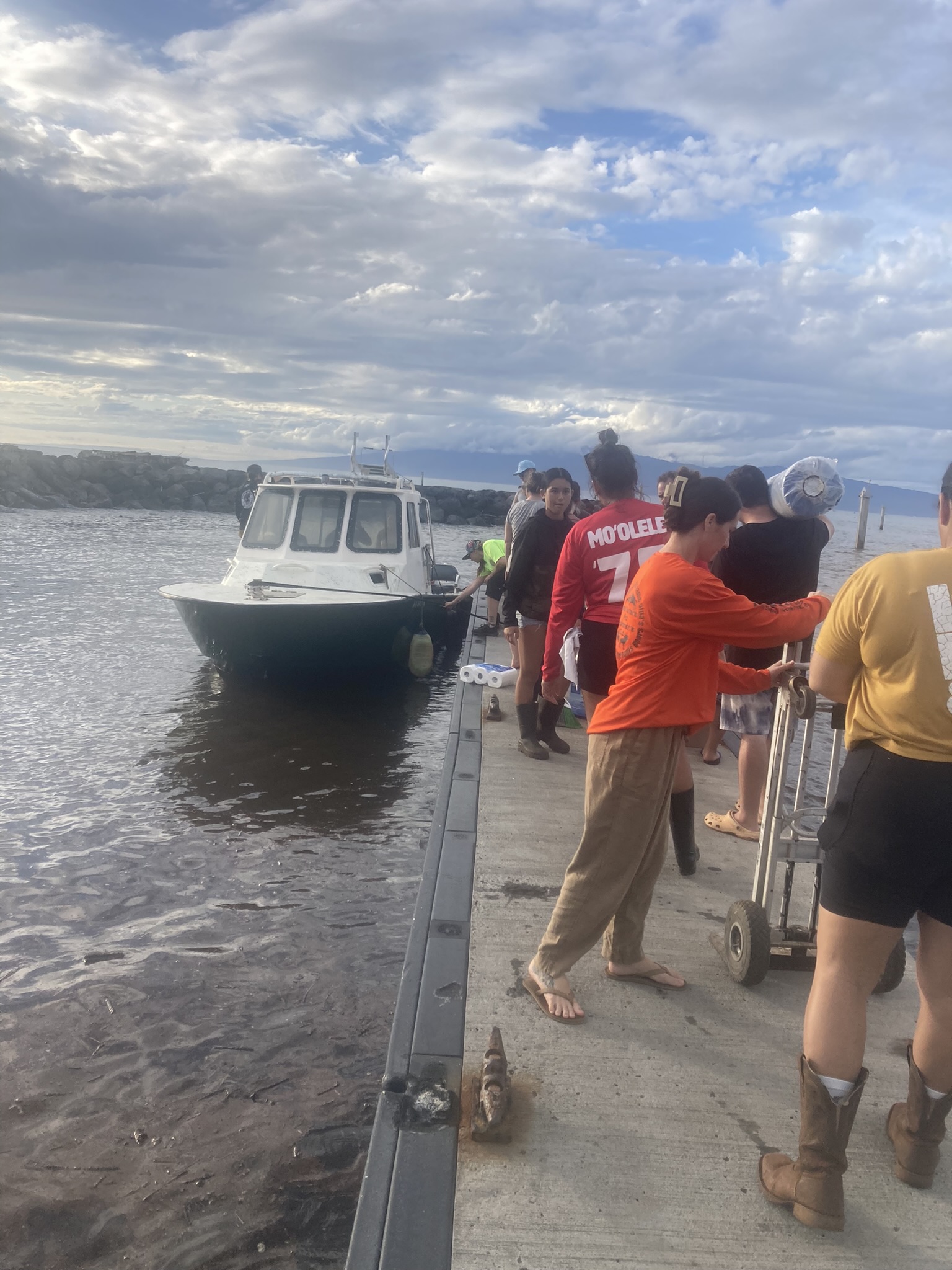
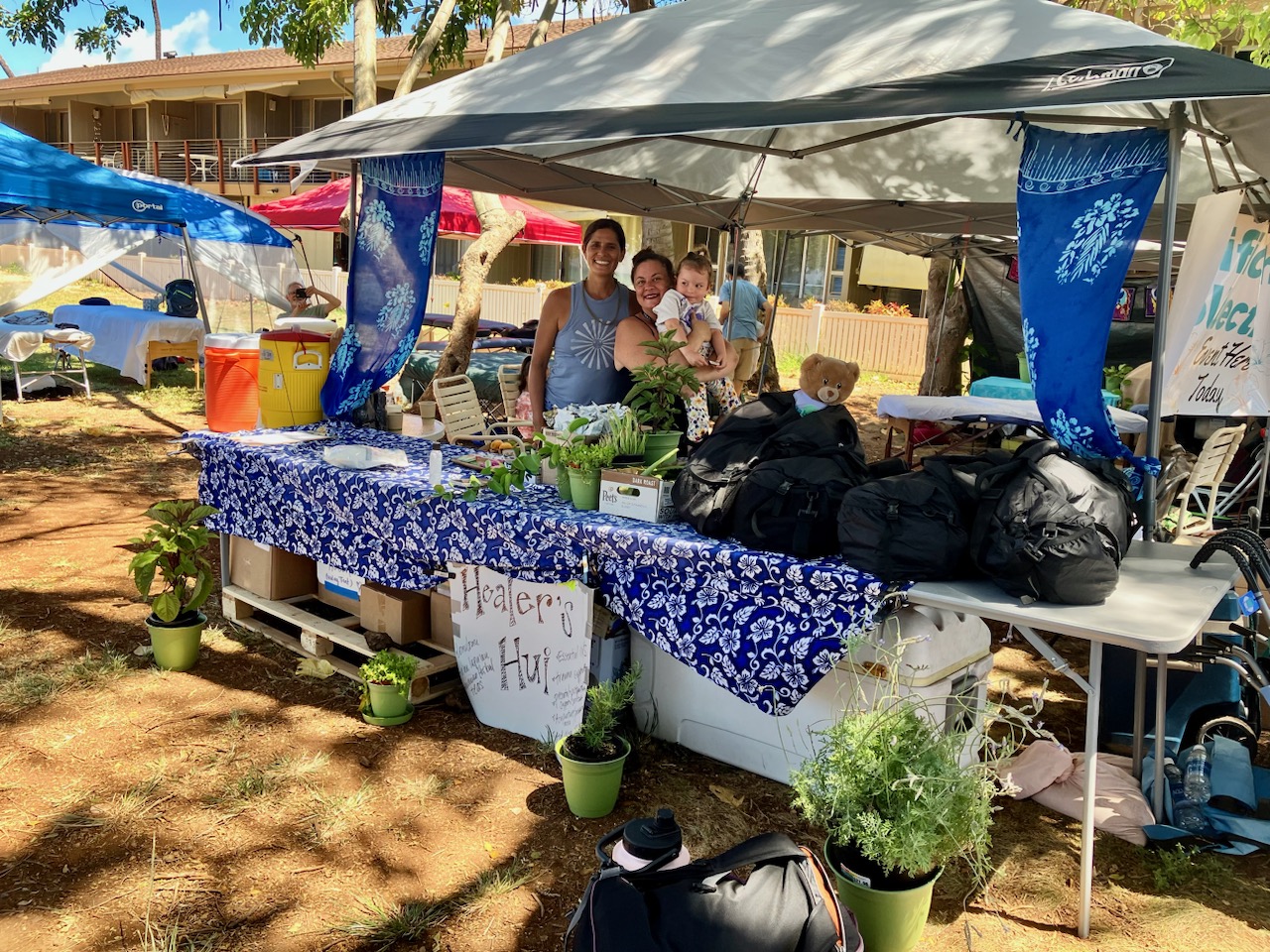
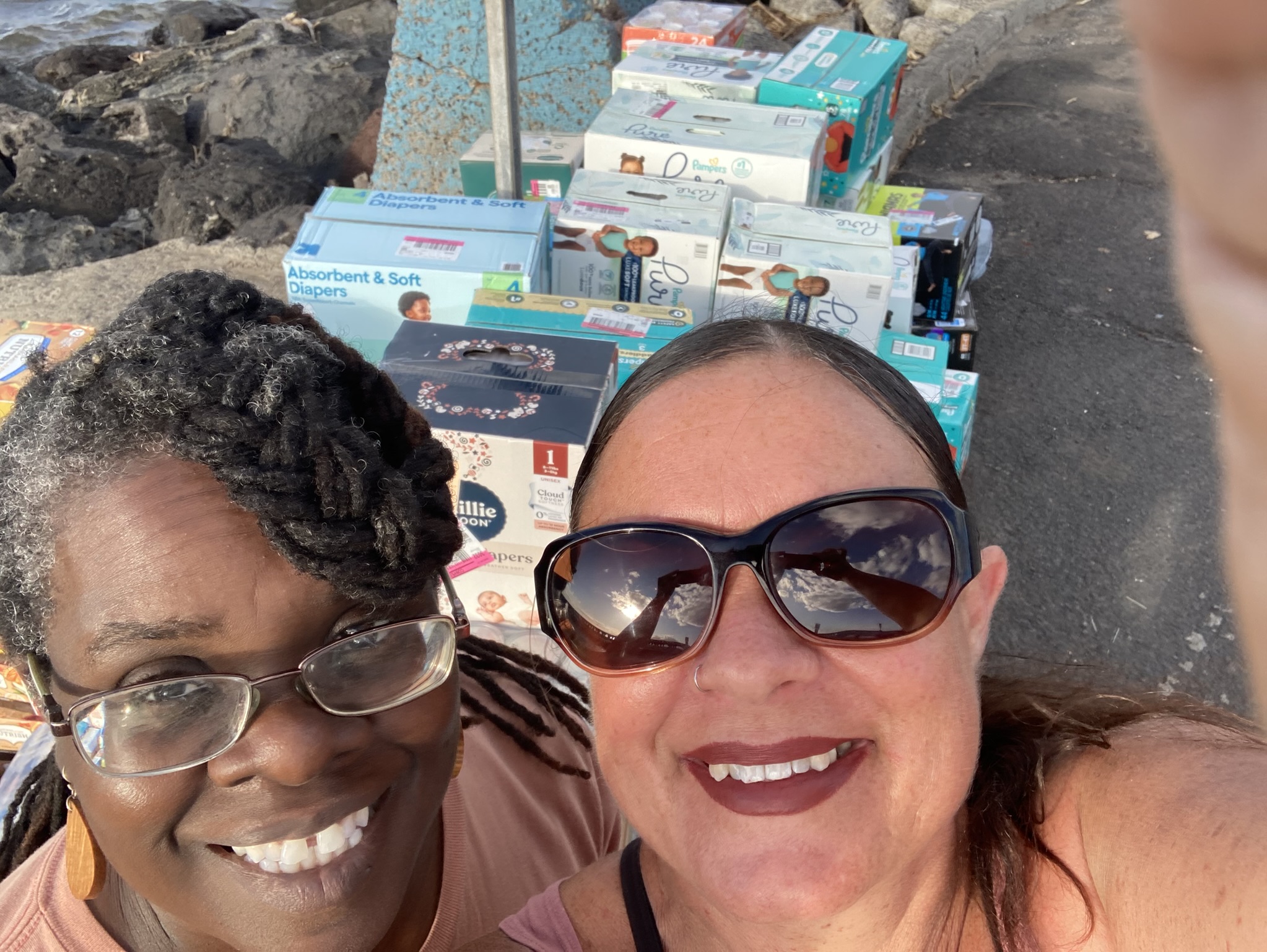
I have been boots on the ground from Lahaina to Molokaʻi, from fires to floods. When official channels were shut down, we were the ones moving skis and boats and medicine in to the people who needed them. From that close in, you can see something clearly: it was community that showed up for each other, and community that did the work that needed doing. The state arrived later, if at all. The safety net is thin, and attention moves on once the news cycle ends.
So the question isn't whether community is capable. It is whether the state will fund and resource the people who are already doing the work. As your representative, I will fight to put real money and infrastructure behind the local organizations and leaders who keep showing up — and to bring them into response planning long before the next disaster, not after.
Recovery is a long, structural commitment, and so is preparation. The families still rebuilding deserve a legislator who refuses to let them be forgotten, and the families who will face the next storm deserve a state that is ready before it arrives.

Our community is living through a maternal health care crisis, with a single hospital carrying the weight of a need that has long outgrown it. This is not a partisan issue. It is a basic dignity issue.
I will not allow it to be normalized, and I will fight for the infrastructure, providers, and policy our wāhine and their families deserve.

Our keiki deserve schools that are properly resourced, teachers paid a wage they can actually raise a family on, and a public education system that gives them a future worth staying in Hawaiʻi for.
That means a K-12 Hawaiian Immersion campus in our district. It means buses for every keiki who needs one. It means farm-to-school and DOE composting programs growing on every campus, the way they are already growing in Hāna. And it means investing in our local teachers with incentives that make teaching here a dignified career, not a job our young people have to leave the islands to afford.
Education is the long game of every other issue on this list, and I will treat it that way.

We cannot tax our way out of climate change on the backs of working families. We need an economy that pays our people to do the work that already needs doing — re-planting our forests, returning our water to the streams, and restoring our loʻi. Funded properly, that work becomes a payroll, not a sacrifice.
Before colonization, Hawaiʻi fed nearly a million people. When we combine our ahupuaʻa systems with modern technology, the amount of food we can produce here is hard to overestimate. The same landscape creates a different kind of tourism, too — one rooted in participation in mālama ʻāina, not displacement. And we have a small but real local film industry worth investing in.
We pay for this transition with fair corporate taxes and green bonds, not by squeezing residents who are already struggling. Every dollar invested comes back to us in well-paying jobs, food security, and disaster resilience.